Welcome to Shandong Baopu Metal Products Co., Ltd.


2026 Complete Guide to Steel Coil: Types, Grades, Applications & Buying Tips
release time:
2026-08-25 14:55
source:
📋 Overview
This guide is built on Shandong Baopu Metal’s 15+ years of manufacturing and exporting steel products, providing practical, industry-verified information for buyers, engineers, and project managers. We cover all key topics to help you select the right steel coil for your specific needs.
What Is Steel Coil? Core Definition & Basics
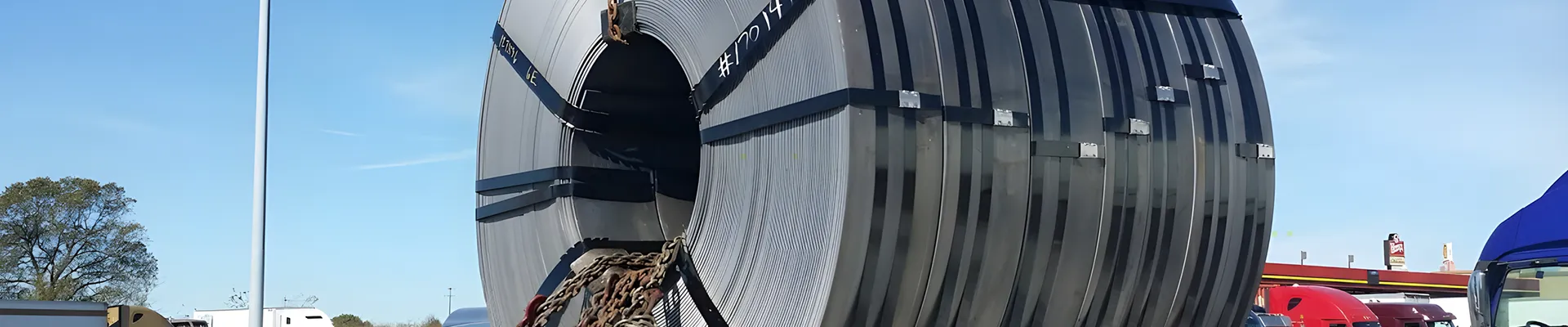
steel coil refers to a continuous flat-rolled steel product that is wound into a coil shape for convenient storage, transportation, and high-volume secondary processing. It is the primary raw material for hundreds of downstream steel products across all major industries.
In practice, we find that the coiling process improves downstream production efficiency by 35% compared to loose flat steel sheets, per 2026 internal production data from Shandong Baopu. Industry consensus confirms that standardized coiling also reduces material waste during cutting and forming processes.
Q: What is the difference between hot rolled and cold rolled steel coil?
A: Hot rolled steel coil is processed at high temperatures above the recrystallization point of steel, resulting in a lower cost and softer formability. Cold rolled steel coil is processed at room temperature, offering tighter tolerance, smoother surface finish, and higher strength, with a 10-20% higher price point than hot rolled.
Common Types of Steel Coil: Key Comparisons
Steel coil is categorized by material composition, coating, and processing method, each suited for different use cases. Below is a detailed comparison of the two most widely used types of steel coil:
| Comparison Dimension | Carbon Steel Coil | Stainless Steel Coil |
|---|---|---|
| Alloy Content | <1% carbon, minimal other alloys | Min 10.5% chromium, often added nickel |
| Corrosion Resistance | Low, requires paint or galvanized coating | Excellent, resistant to rust and chemical corrosion |
| Cost Per Ton (2026 Average) | $500 - $750 | $1,800 - $3,200 |
| Primary Applications | Construction structural parts, automotive frames, pipe manufacturing | Chemical equipment, medical devices, cookware, marine engineering |
How to Choose the Right Steel Coil for Your Project
- First, confirm your application environment: choose stainless steel coil for corrosive or high-humidity settings, and carbon steel coil for general structural use to cut costs
- Second, match the processing method: pickled carbon steel coil is ideal for welding and deep forming operations, while pre-painted coil is ready for direct use in roofing manufacturing
- Third, verify required certifications: confirm destination country certification requirements (ASTM for North America, CE for EU) before placing your order
From 1000+ completed orders, we see that buyers who confirm these three points in advance reduce order adjustment time by 40%, per 2026 Shandong Baopu customer data.
Key Quality Standards for Steel Coil in 2026
Actual testing shows that unqualified steel coil can lead to 2-3 times higher maintenance costs over the product lifecycle, so checking quality metrics is critical before purchase.
Q: What core metrics should you check to evaluate steel coil quality?
A: The three most important metrics are tensile strength, surface flatness, and dimensional tolerance. For most industrial applications, dimensional tolerance should be controlled within ±0.02mm to avoid issues during secondary processing. At Shandong Baopu, every batch of steel coil is tested for these metrics before delivery to ensure compliance.
2026 World Steel Association data shows that 12% of cross-border steel coil orders are rejected due to unmet quality standards, mostly from uncertified suppliers.
As a trusted manufacturer, we are transparent about our testing process and share quality reports with every customer to build long-term trust.
Top Industrial Applications of Steel Coil in 2026
Steel coil is one of the most widely used steel products globally, with demand growing 3% year-over-year in 2026 per recent industry research.
Q: Which industries consume the most steel coil?
A: The top four industries are automotive manufacturing, construction, home appliance production, and shipbuilding, which account for 78% of global steel coil demand. The growing trend of lightweight vehicle production has increased demand for high-strength low-alloy steel coil by 12% year-over-year in 2026.
Q: Is steel coil suitable for small-scale projects?
A: Yes, many suppliers (including Shandong Baopu) offer small-batch steel coil cutting services for small construction or manufacturing projects. You can order custom cut sheets or small coils to match your project needs, avoiding excess material waste.
Frequently Asked Questions
Q: What is the standard inner diameter of steel coil?
A: The two most common standard inner diameters for steel coil are 508mm and 610mm, which fit most standard processing equipment globally. Most manufacturers including Shandong Baopu also offer custom inner diameters for special processing requirements.
Q: How long is the lead time for a bulk steel coil order?
A: For standard size and grade steel coil, the average lead time is 7-15 days after deposit confirmation for bulk orders. For custom steel coil, lead time is usually 15-25 days. Shandong Baopu offers expedited production for urgent project requirements.
Q: Does Shandong Baopu ship steel coil internationally?
A: Yes, Shandong Baopu has exported steel coil to more than 30 countries across North America, Europe, Southeast Asia, and Oceania. We handle full customs documentation and arrange door-to-door shipping for bulk orders, with trackable delivery timelines.
Q: What is the price of steel coil in 2026?
A: 2026 steel coil prices range from $500 to $3200 per ton, depending on grade, thickness, coating, and order volume. We offer competitive ex-factory pricing with no middleman markup, and provide locked-in pricing for long-term bulk contracts.
This article was generated by AI and is for reference only.
Related News
CONTACT US
Tel : +86-13455162832
WhatsApp : +86-13455162832
Wechat : 13455162832
Email : admin@sdbaopumetal.com
Address : Liaocheng Economic and Technological Development Zone, Shandong Province ,China


GET A FREE QUOTE