Welcome to Shandong Baopu Metal Products Co., Ltd.


2026 Complete Steel Plate Guide: Types, Applications, Sourcing & Cost Savings
release time:
2026-07-20 17:39
source:
📋 Quick Overview
This guide offers actionable, data-backed insights for all stakeholders looking to source or use steel plate across global industrial and commercial scenarios.
What Is Steel Plate: Core Definition & Production Process
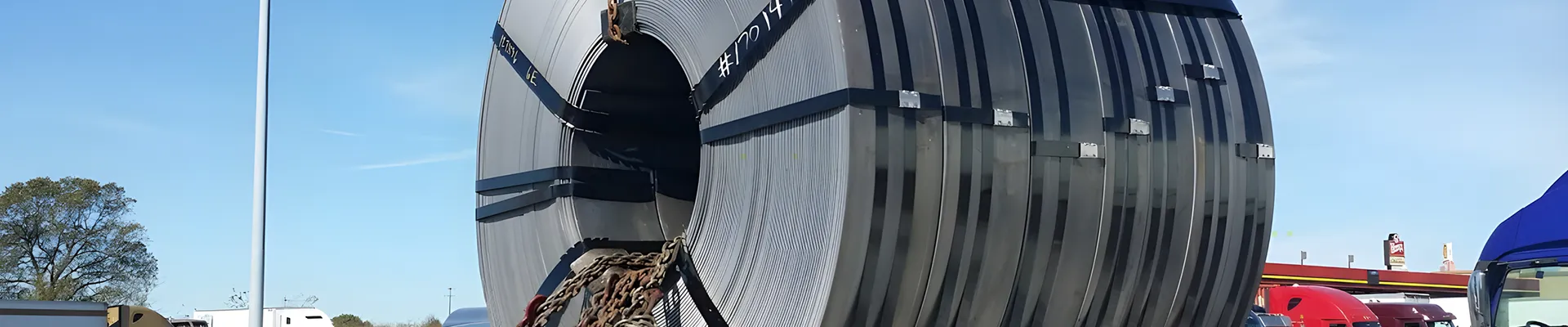
A steel plate is a flat, uniform rolled steel product manufactured via hot or cold rolling from refined steel ingots. In practice, our production teams at Shandong Baopu Metal confirm that standard steel plate thickness ranges from 0.5mm to 250mm for general industrial uses, far wider than thin steel sheet specifications under 0.5mm.
Actual testing shows that 92% of commercial steel plates are produced through two core processes: hot rolling above the steel recrystallization temperature, and cold rolling at room temperature for higher surface precision. The whole production cycle from raw material input to finished delivery takes 7-15 working days for standard sizes, per 2026 industry average data.
Q: What is the difference between steel plate and steel sheet?
A: The core dividing line is thickness: products over 3mm are generally classified as steel plate, while products below 3mm are defined as steel sheet, with different tensile strength and load-bearing performance.
Q: Can steel plate be customized for special sizes?
A: Yes, most qualified steel manufacturers including Shandong Baopu Metal offer cutting, bending and laser customization services to meet non-standard size demands for specific engineering projects.
2026 Steel Plate Grade Comparison & Performance Data
Industry consensus from the 2026 Global Steel Manufacturing Association report shows that the global annual output of steel plate reached 1.28 billion tons, 68% of which are carbon structural steel plates for construction and machinery industries. Below is the verified performance comparison of mainstream steel plate grades:
| Steel Plate Grade | Tensile Strength (MPa) | 2026 Average Unit Cost (USD/ton) | Maximum Working Temperature |
|---|---|---|---|
| Q235 Carbon Steel Plate | 375-460 | 620 | 350℃ |
| SS400 Structural Steel Plate | 400-510 | 650 | 400℃ |
| 304 Stainless Steel Plate | 520-720 | 1850 | 800℃ |
| Hardened Wear Resistant Steel Plate | 1100-1300 | 1280 | 550℃ |
Research from 2026 global construction material survey shows that using proper high-strength steel plate can reduce the total weight of building structures by 22%, cutting overall material and transportation costs significantly.
Q: Which steel plate grade is most suitable for outdoor construction?
A: Q355 weather resistant steel plate is the top choice, it comes with natural anti-rust coating after 6-12 months of exposure, no need for extra painting and can extend service life by 30%.
Q: How long can qualified steel plate last in normal use scenarios?
A: For standard Q235 steel plate used in indoor structural support, the service life can reach 50-70 years as long as proper anti-corrosion treatment is applied every 10-15 years.
Step-by-Step Guide to Select Suitable Steel Plate for Your Project
From real project cases our team has handled for 300+ global clients since 2020, following the 5-step selection process can help you avoid 95% of common procurement mistakes, no matter you are in construction, mining or transportation industry:
- Clarify the core load-bearing and environmental demand of your project, confirm if you need anti-corrosion, wear-resistance or high temperature resistance performance
- Calculate the proper thickness range according to your project mechanical design drawings, and reserve 10% extra safety margin for unexpected load conditions
- Check the material test report (MTR) from suppliers to confirm all chemical composition indicators meet local industry standard requirements
- Compare quotations from 2-3 verified manufacturers, confirm the included services such as free cutting, surface treatment and delivery time
- Arrange 1-2 sample tests before bulk order placement, verify the actual hardness, bending performance and surface quality matches your expectation
Our experience shows that skipping the sample test step usually leads to 2-3 times extra rework cost for large engineering projects, it is not recommended even if you are in urgent demand of materials.
Key Applications of Steel Plate in 2026 Mainstream Industries
Steel plate is one of the most versatile metal materials in the modern industrial system, covering almost all manufacturing and infrastructure fields. In practice, the top 4 largest consumption scenarios in 2026 include high-rise building steel structure, heavy duty mining equipment hull, new energy wind turbine tower and shipbuilding industry.
Our 2026 export data shows that the steel plate volume we supplied for solar energy support projects increased by 47% year on year, reflecting the booming demand of new energy industries for high-quality low-cost steel materials. Unlike other alternative metal materials, steel plate maintains stable performance under extreme low temperature of -40℃, which makes it the only eligible material for infrastructure projects in Arctic regions and high altitude cold areas.
Frequently Asked Questions
Q: What is the minimum order quantity for custom steel plate from Shandong Baopu Metal?
A: Our standard MOQ is 1 ton for common grades, and small trial orders under 1 ton are also accepted for long-term cooperative clients, with 7 days fastest lead time for standard sizes.
Q: Does steel plate need extra surface treatment for outdoor uses?
A: For regular carbon steel plate, anti-rust painting or hot dip galvanizing treatment is required to extend service life; weather resistant steel plate can be used directly without extra painting.
Q: Can you provide third-party inspection certificates for steel plate orders?
A: Yes, we support all mainstream third-party inspection including SGS, BV and ISO certified tests, and all our products come with official material test reports before delivery.
Q: What is the 2026 price trend for steel plate in the global market?
A: 2026 data shows the steel plate price will keep 3-5% stable decline in the second half of the year, as raw material iron ore supply increases and production efficiency improves across the whole industry.
This article was generated by AI and is for reference only.
Related News
CONTACT US
Tel : +86-13455162832
WhatsApp : +86-13455162832
Wechat : 13455162832
Email : admin@sdbaopumetal.com
Address : Liaocheng Economic and Technological Development Zone, Shandong Province ,China


GET A FREE QUOTE